Ever cut into a slice of bakery cake and thought, “How is this so impossibly fluffy?” Like, you know it’s made from flour and eggs and butter—the same stuff sitting in your pantry—but somehow theirs feels like you’re eating a sweet cloud while yours comes out… denser. A little chewier. Maybe even slightly bread-like if we’re being honest.
Here’s the thing: it’s probably the flour.
I know, I know. Flour is flour, right? Wrong! Turns out, professional bakers aren’t just lucky or magical—they’re using cake flour, and it makes a massive difference. We’re talking lighter, airier, melt-in-your-mouth tender. The kind of texture that makes people ask for your recipe even though you definitely didn’t do anything fancy.
Most of us have been reaching for all-purpose flour our whole lives because it’s… well, all-purpose. But if you’ve ever wondered why your homemade birthday cake doesn’t quite match up to the bakery version, this is your answer. Cake flour is milled specifically for delicate cakes—think chiffon, angel food, those gorgeous layered sponge cakes that somehow stay soft for days.
Once you understand how it works, you’re not just blindly following recipes anymore. You’re actually controlling the texture and structure of what you bake. And honestly? That feels pretty great.
What Actually Is Cake Flour?

Okay, so cake flour is basically the overachiever of the flour world. It’s super finely milled and made from soft wheat, which means it has way less protein than the all-purpose stuff you’re used to. We’re talking 5–8% protein compared to all-purpose flour’s 10–12%.
“Why does that matter?” you ask. Great question.
Protein = gluten. Gluten = chewiness. Chewiness = amazing for bagels, terrible for cake.
Cake flour keeps gluten development to a minimum, so instead of getting a dense, sturdy crumb (which is great for bread), you get something soft and tender that practically dissolves on your tongue. When you rub it between your fingers, it feels silkier than regular flour—almost powdery. That extra-fine milling helps it absorb liquid more evenly, which translates to a smoother batter and a lighter final product.
The Flour Lineup (A Quick Comparison)
| Flour Type | Protein % | Best For | What You Get |
| Cake Flour | 5–8% | Sponge cakes, chiffon, white/vanilla cakes | Soft, cloud-like, ultra-tender |
| All-Purpose Flour | 10–12% | Cookies, muffins, cupcakes | Balanced, slightly sturdier |
| Bread Flour | 12–14% | Bread, pizza dough | Chewy, elastic, hearty |
Why Protein Content Is Kind of a Big Deal
When bakers say cake flour is “soft,” they’re really talking about that low protein content. Because here’s the thing: gluten is fantastic when you’re making a chewy sourdough or stretchy pizza dough. But in a delicate cake? It’s the enemy.
This flour comes from soft wheat, which naturally has less protein than the hard wheat used in other varieties. When you add liquid to it, the proteins don’t form as much gluten, so your cake stays light and airy instead of turning into a hockey puck.
The finer milling also helps everything mix together more smoothly. It disperses evenly through your batter, so you get that silky, lump-free consistency that just looks right before it even goes in the oven.
And here’s where it gets really cool: it’s perfect for recipes that rely on air for lift—like chiffon or angel food cake. Those cakes get their rise from whipped eggs or steam, not from gluten structure. If you used a stronger flour, it would literally weigh down all that beautiful airiness you just spent 10 minutes whipping into the batter. The delicate structure protects the fluff instead of squashing it.
When You Definitely Want Cake Flour
- Angel food cakes (obviously)
- Chiffon cakes
- Sponge cakes and jelly rolls
- Classic white or vanilla celebration cakes
- High-rise layer cakes
- Delicate cupcakes that you want to feel bakery-fancy
If your goal is “soft and tender” rather than “hearty and sturdy,” cake flour is your best friend.
Cake Flour vs. Everything Else
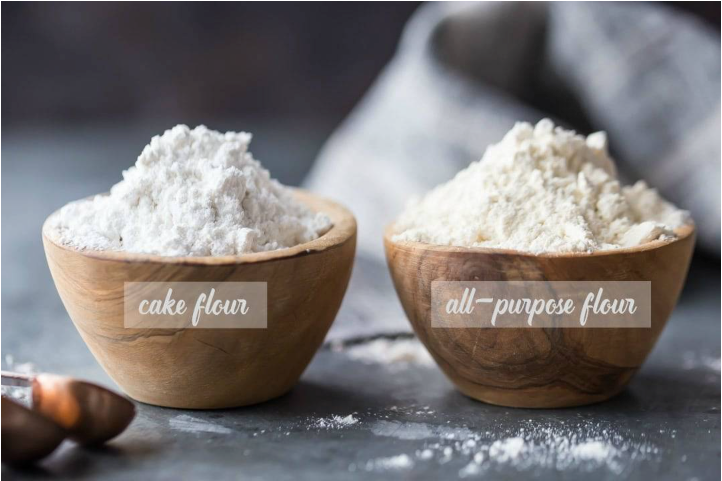
Not all flours are created equal, and using the wrong type of flour can completely change your results. Let’s break it down.
Cake Flour vs. All-Purpose Flour
All-purpose flour is the workhorse. It’s great for cookies, muffins, and pretty much anything that needs a little more structure. But when you use it in a delicate cake, you’ll notice the crumb feels heavier—more bread-like, less “I can’t believe this isn’t from a bakery.”
Even if your cake rises beautifully, that extra protein gives it a sturdier texture that just doesn’t melt in your mouth the same way.
Cake Flour vs. Pastry Flour
Pastry flour is also low-protein, but it’s a little stronger than the delicate variety used for cakes. It gives you tenderness with just enough structure to hold up under pressure—literally. That’s why it’s perfect for pie crusts, biscuits, and shortcakes that need to keep their shape when you slice into them or pile on the whipped cream.
Cake flour, on the other hand, is all about that ultra-tender, delicate crumb.
Bleached vs. Unbleached: Does It Matter?
Short answer: Yes.
Bleached cake flour has been chemically treated (don’t worry, it’s safe), and that process changes how it behaves. It absorbs sugar and liquid more completely, which leads to a taller, tighter crumb. That’s why most store-bought cake flour is bleached—it just works better in high-sugar cake recipes.
Unbleached versions exist, but they tend to produce a slightly denser, looser crumb. Not bad, just… different.
DIY Cake Flour Substitute (For When You Forgot to Buy It)

We’ve all been there. You’re halfway through a recipe, you reach for the cake flour, and—nope. Don’t have it. Before you panic or make an emergency grocery run, here’s a super easy substitute.
How to Make Cake Flour at Home (per 1 cup)
- Measure 1 cup of all-purpose flour.
- Remove 2 tablespoons of that flour.
- Replace with 2 tablespoons of cornstarch.
- Sift it together 2–3 times. (Yes, actually do this—it matters!)
The cornstarch helps block gluten formation, mimicking the softness of real cake flour. The sifting aerates everything and gives you that fine, powdery texture.
Troubleshooting Common Cake Problems
| Problem | Why It Happened | How to Fix It |
| Dense, heavy crumb | Overmixing the batter | Fold gently, don’t beat |
| Dry, crumbly texture | Too much flour | Use the spoon-and-level method |
| Cake collapsed in the middle | Too much liquid | Cut back on liquids slightly |
This substitute works great for sponge cakes, cupcakes, and light vanilla recipes. But if you’re making a big celebration cake—like a wedding cake or a fancy birthday layer cake—store-bought cake flour is still your best bet for consistent, professional-level results.
Baking Tips & Questions You Probably Have
Can I just use all-purpose flour instead?
Technically, yes. Will it be as good? Nope. The texture will be denser and less tender. If you don’t have cake flour, use the substitute above—it’s way better than straight all-purpose.
Do I always need cake flour?
Not always! Dense cakes like pound cake or carrot cake actually benefit from more protein and structure, so all-purpose flour works great for those.
Does the bleached vs. unbleached thing really matter?
Yep. Bleached flour absorbs sugar better and gives you a finer, more delicate crumb. If you want that bakery-style texture, go with bleached.
Why do I have to sift?
Sifting aerates the flour, which makes it lighter and easier to mix into your batter without clumps. It also reduces density, which = fluffier cake. Worth the extra 30 seconds, I promise—especially when your recipe calls for that perfectly tender crumb.
The Bottom Line
Cake flour isn’t some fancy, optional ingredient that only professional bakers need. It’s honestly one of the easiest upgrades you can make if you want your cakes to taste and feel like they came from a real bakery. The difference isn’t subtle—it’s the difference between “this is pretty good” and “wait, did you actually make this yourself?”
Lower protein = less gluten = softer, more tender crumb. That’s it. That’s the magic.
Whether you buy it at the store or whip up a DIY version in a pinch, using cake flour intentionally gives you control over your results instead of just hoping for the best. And once you taste the difference—the fluffiness, the tenderness, the way it just melts in your mouth—it’s hard to go back.
So yeah. Keep a bag of cake flour in your pantry. Your future cakes (and other delicate baked goods) will thank you.